21/10/2026 00:04
Did the Deposit Note Travel with the Photo? Telegram Forwarding for Cambodian Chair-Rental Shops
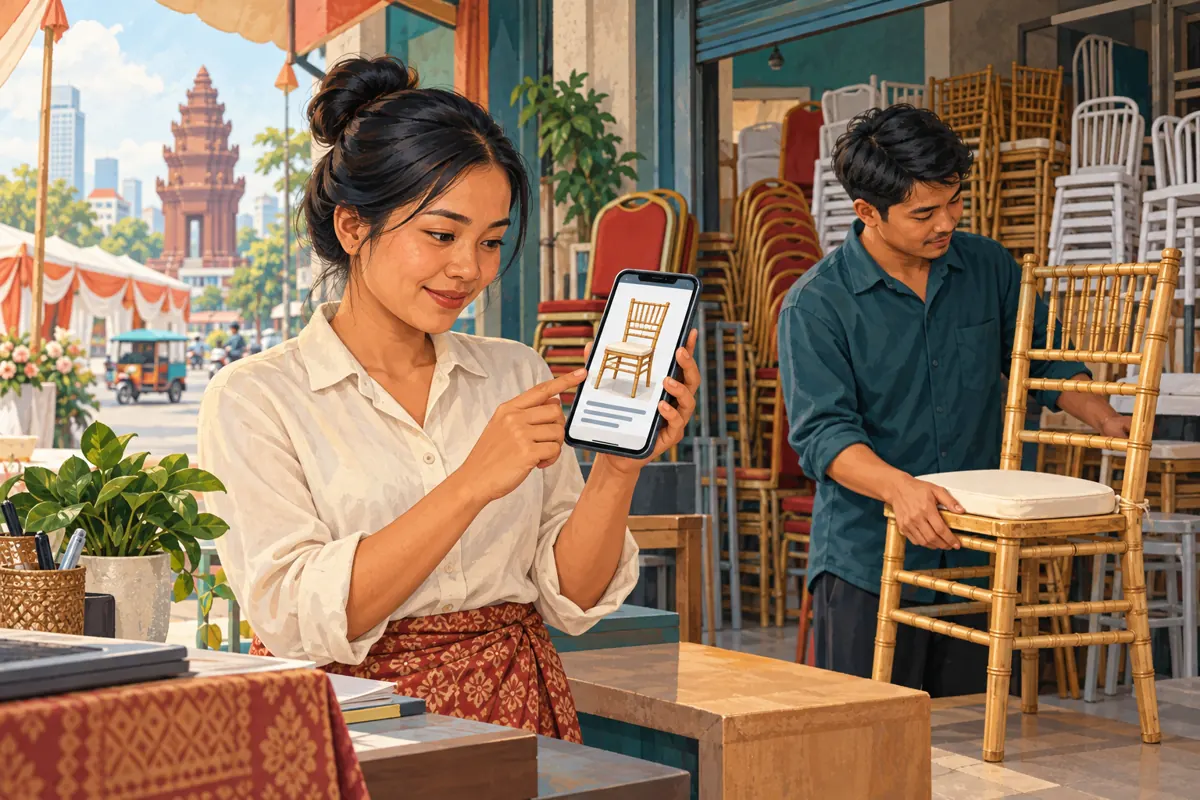
A chair photograph can explain the style of an event setup while leaving its most important conditions invisible. Is the cushion included? Is delivery separate? Does the shop require a deposit before reserving the date? When someone forwards that photograph to a family member or event organizer, the accompanying explanation matters. For Cambodian chair-rental businesses promoting through Telegram, the useful question is whether the next reader receives enough context to make a sensible enquiry. This workflow helps a small team prepare, preview and share an understandable offer before considering additional promotion or an SMM panel service.
1. Start with the misunderstanding you need to prevent
Consider a hypothetical rental shop in Phnom Penh. Its promotional picture shows an event chair with a cream cushion beside a decorated table. The caption explains that the offer concerns chairs, delivery is quoted separately, and availability requires confirmation for the requested date. A prospective customer shares only the photograph with a relative. The relative now sees a complete event arrangement without knowing which parts the shop actually supplies.
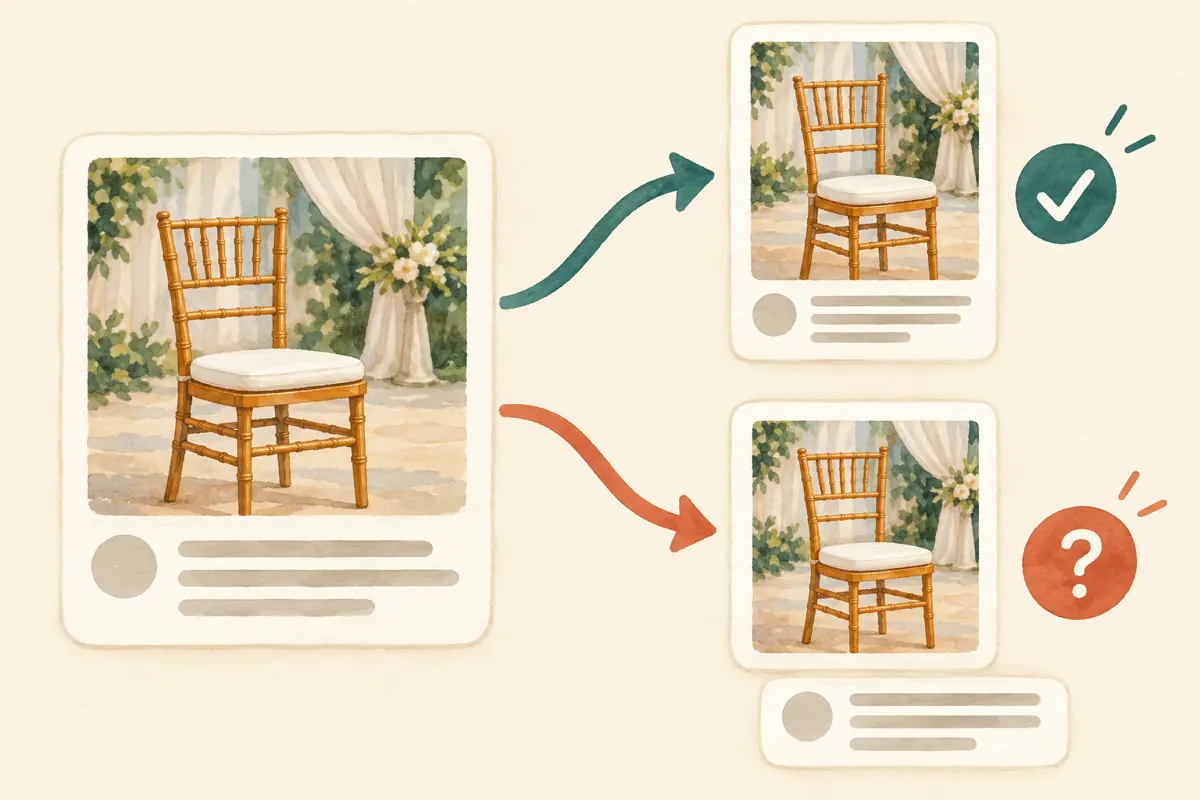
The problem begins before any discussion of reach. The photograph and the commercial explanation have become separated. Decide which misunderstanding would be most costly for your shop: a cushion assumed to be included, an unconfirmed date treated as reserved, or transport assumed to be free. Build the post around preventing that specific mistake. A clear offer gives the next person a useful starting point even when they have never visited your channel.
2. Understand what Telegram's forwarding preview controls
Telegram's official flexible-forwarding guide describes a preview opened through the Forward Message label above the message bar. The documented options include hiding the sender's name, hiding captions on media messages, removing selected messages and changing the recipient. These controls make the outgoing selection worth checking before sending. Consult Telegram's guide for the feature description: https://telegram.org/blog/live-streams-forwarding-next-channel.
For a rental offer, treat that preview as an editorial checkpoint. Examine whether the photo still carries its essential explanation and whether the destination is the intended conversation. Hiding a source name and removing a caption are different decisions: one concerns attribution, while the other can remove the rental conditions themselves. If your app presents the controls differently, inspect the available preview rather than guessing which setting is active. Use an internal test conversation before distributing an unfamiliar format.
3. Write a caption that stands on its own
Prepare the caption for a reader who cannot see earlier messages. Identify the chair style or your own inventory reference, describe what is included, explain how the rental period is established, and state whether transport requires a separate quote. If the shop uses both riel and US-dollar quotations, name the currency beside any actual price. Avoid a bare amount whose meaning depends on something posted several days earlier.
A hypothetical caption might say: “Bamboo-style event chair with cream cushion shown. Ask us to confirm the required quantity and event date. Delivery and collection are quoted for your venue. Deposit and return conditions are provided with the written quotation; sending this photo does not reserve chairs.” This is an example structure, not a statement about any real shop's terms. Replace every element with the business's approved wording, including whether the pictured cushion is genuinely included.
4. Separate public conditions from a customer's private quotation
A public promotional caption should explain how an enquiry works without exposing another customer's arrangements. Do not use a private booking conversation as the source of a reusable offer. It may contain a venue address, negotiated transport charge, personal contact information or a date-specific exception. Removing a name does not necessarily remove the sensitive context elsewhere in the selected messages.
Create a clean public post from approved product material instead. Keep individual booking details in the relevant customer conversation. For example, a hypothetical shop may publicly explain that delivery depends on location, then privately confirm access restrictions and collection timing for a particular venue. If a staff member wants to share that customer's setup as an example, first establish permission and prepare a separate version that reveals only appropriate details. This also prevents a special arrangement from becoming an accidental public promise.
5. Choose whether to forward, rewrite or request clarification
Forward when the original post is accurate, suitable for the recipient and complete enough to understand independently. Prepare a fresh approved post when the original includes expired conditions, an unsuitable language version or private information. Request clarification internally when the team cannot confirm what the pictured package includes. A visually attractive photograph is not a reason to circulate an uncertain offer.
Use a simple decision question: would a new reader understand the same offer that the shop intends to make? If the answer depends on a missing voice message or an earlier explanation, revise the material first. For Cambodian audiences, have a fluent colleague review Khmer wording where that is the customer's preferred language. Keep product references and conditions consistent across language versions. Translation should preserve distinctions such as a deposit requirement, a refundable security amount and a separate delivery charge.
6. Run a small internal forwarding test
Ask a colleague to receive the proposed forward in a designated internal conversation. Have them inspect the message as a new reader, without coaching. They should identify the chair, say what appears to be included, locate the enquiry contact and explain whether a reservation has been made. Their answers reveal gaps more effectively than asking whether the post looks good.
Repeat the test whenever you materially change the package or the sharing format. Check the actual received message, including any accompanying explanation you intend to send separately. A separate follow-up can be overlooked, so put essential conditions with the relevant photo wherever practical. If the reader assumes the table decorations are included, change the image selection or make the exclusion clearer. Record the approved version and the person responsible for checking its accuracy before wider distribution.
7. Keep SMM panel decisions separate from offer accuracy
The supplied lao-smm.com catalogue includes the exact public title “Telegram Members ~ 3 Days Non Drop ~ Max 1M ~ 100k/Days ~ Instant ~ 𝗥𝗘𝗙𝗜𝗟𝗟 3D”. Its description field is empty. The title identifies a Telegram member service, but its promotional wording does not establish independently verified delivery characteristics, audience location or suitability for a Cambodian rental business. Obtain clear current terms before making any purchase decision.
A member service cannot repair a missing caption or establish that recipients understand a deposit condition. Purchased engagement is not evidence of genuine interest, sales, ad delivery or Cambodian users. Keep any service records separate from genuine enquiries and confirmed rentals. If your objective is better booking conversations, first improve the offer and its forwarding test. Review applicable platform rules and the provider's actual documentation; a catalogue listing does not establish official Telegram affiliation or permission.
8. Give the recipient one useful next action
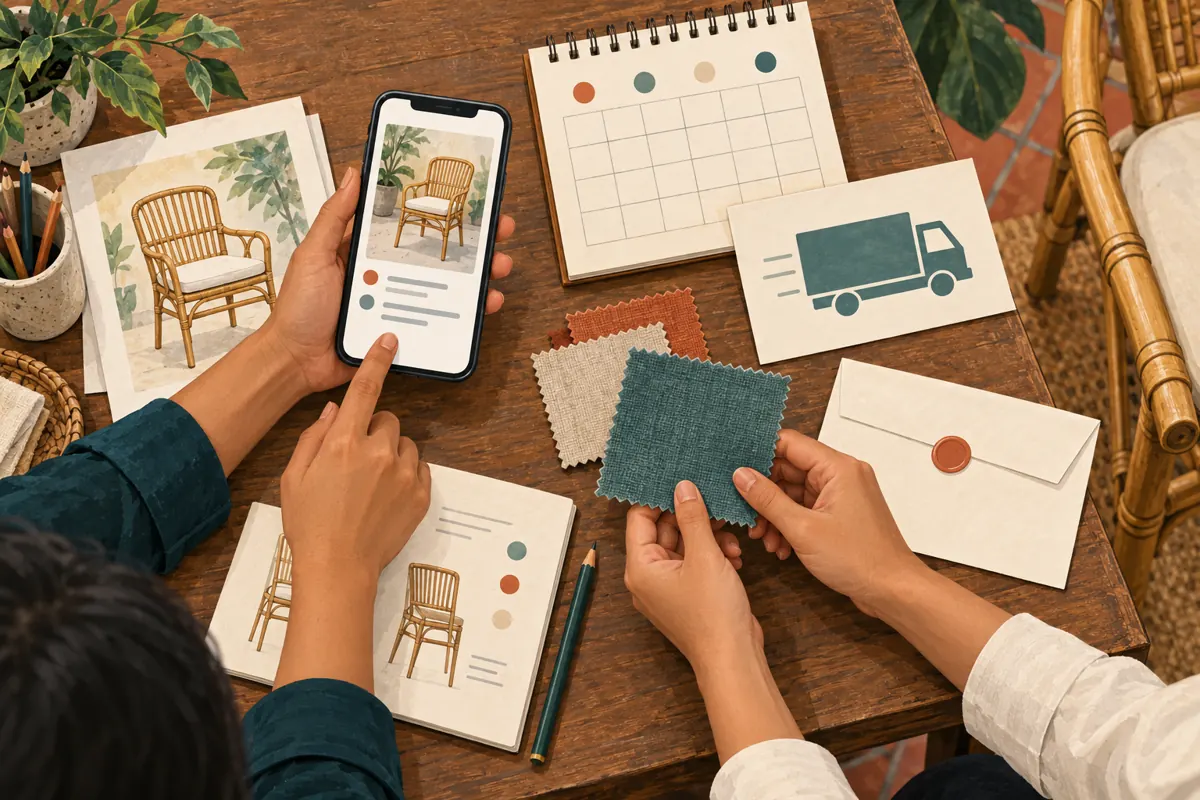
Close the offer with a request that helps the shop respond. For a chair rental, that might be the event date, approximate quantity, venue area and preferred chair style. Ask for the information needed for an initial assessment, then collect detailed arrangements privately. A vague invitation to message can leave staff asking several rounds of avoidable questions.
In a hypothetical enquiry, a customer sends the chair reference, a requested date and a venue area in Siem Reap. The employee checks stock availability and transport feasibility before providing a quotation. This is a better operational outcome than treating a forwarded picture as a reservation. Keep your response equally explicit: acknowledge the request, explain what still needs checking, and state the next step. Do not describe chairs as booked until the business's actual confirmation process is complete.
9. Avoid shortcuts that weaken the offer
Removing a caption because it looks long can discard the only explanation of delivery or deposit conditions. Shorten the source copy deliberately instead. Another mistake is forwarding several attractive pictures while leaving recipients to guess whether they represent alternatives or one package. Identify each option and avoid mixing a basic chair photograph with an upgraded setup unless the distinction is clear.
Do not hide attribution to imply that another supplier's photograph is your own work. Use authorized material and explain the source where relevant. Also avoid assuming that an old promotional image still represents current stock or terms. Before reusing it, verify the actual chair model, cushion options and enquiry instructions. If an incomplete version has already reached a known recipient, send a clear correction that identifies the missing condition rather than quietly sending another unexplained photo.
10. Review the questions the post creates
Keep a short review log after the offer has been shared. Record which questions recur, whether readers identify the correct chair and which conditions require repeated explanation. Describe observations precisely: “Several enquiries omitted the event date” is useful when supported by your records. “The campaign attracted serious customers” requires evidence beyond a message count or an increase in channel membership.
Use that log to revise the next approved post. If people repeatedly ask whether cushions are included, improve the image-caption pairing. If they send only a photograph, strengthen the request for a date and quantity. Separate changes in content from any paid promotion or panel activity so the team does not casually credit one action for everything that followed. The practical aim is a more understandable enquiry path, with fewer assumptions between seeing the chair and receiving an accurate quotation.
Frequently asked questions
Should we always keep the original caption when forwarding a rental photo?
Keep it when it accurately explains the offer and is appropriate for the recipient. If it contains outdated terms or private details, prepare a clean approved post instead. Removing the caption without replacing essential context can turn a qualified offer into an ambiguous picture. Review what the recipient will actually receive.
Can we put every deposit condition directly on the image?
A short visual cue can help, but a crowded image is difficult to read on a phone. Keep the main product clearly visible, put essential public context in the caption, and provide the complete applicable terms before the customer commits. Do not use tiny text as the only explanation of a material condition.
What if customers share only a screenshot or a downloaded picture?
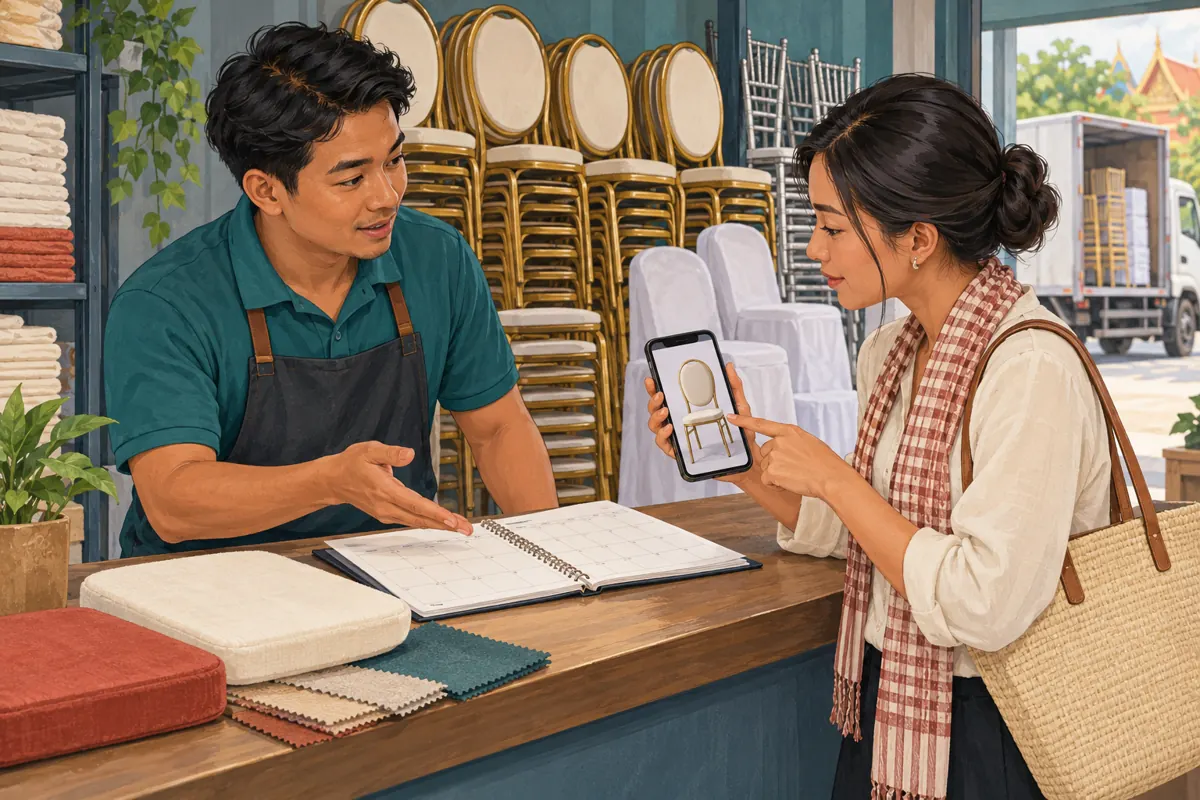
You cannot make every recipient preserve your explanation. A modest shop identifier and product reference on an image you own may help people ask about the correct item. Staff should still confirm the current offer and requested date when someone returns with a picture. Never assume the person has seen the original conditions.
Does a higher Telegram member count show that the offer is working?
It does not establish that people understand the offer or intend to rent. Review genuine enquiries, quotation requests and confirmed bookings using the shop's own records. If a member service was purchased, document it separately. Neither the service title nor the resulting count proves Cambodian audience origin or business demand.
How should we correct a missing delivery note after sharing?
Contact the known recipients with a concise explanation identifying the affected chair offer and the omitted delivery condition. Supply the complete current version and invite questions before any booking proceeds. Update the material your team uses for future sharing. Do not assume that correcting your source automatically reaches everyone who received a separate copy.
Explore the current service catalogue, create an account, or ask a specific question through support tickets.
Prepared with AI assistance. Illustrations explain the workflow and do not represent customer results.