21/10/2026 21:46
Does the Clip Show the Setup? YouTube Clips for Cambodian Folding-Screen Shops

A customer asking how a room divider folds may not need the whole showroom tour. They need the moment that shows the hinges, the feet and the space required to move the panels. For a Cambodian folding-screen shop, sharing that moment can make a social media reply more useful. However, a short excerpt can also hide the condition that makes the demonstration accurate. This workflow explains how to select, review and share a YouTube Clip that answers one practical question, then evaluate the resulting enquiries without treating purchased engagement or administrative service records as evidence of demand.
1. Start with a question the camera can answer
Choose a question about something visible: how the panels fold, where the support feet sit, or how the woven surface looks from behind. Avoid combining these into one excerpt. Each question requires a different camera view, and a hurried sequence can leave the buyer unsure which feature they actually saw. Write the question in your planning notes before searching through the recording.
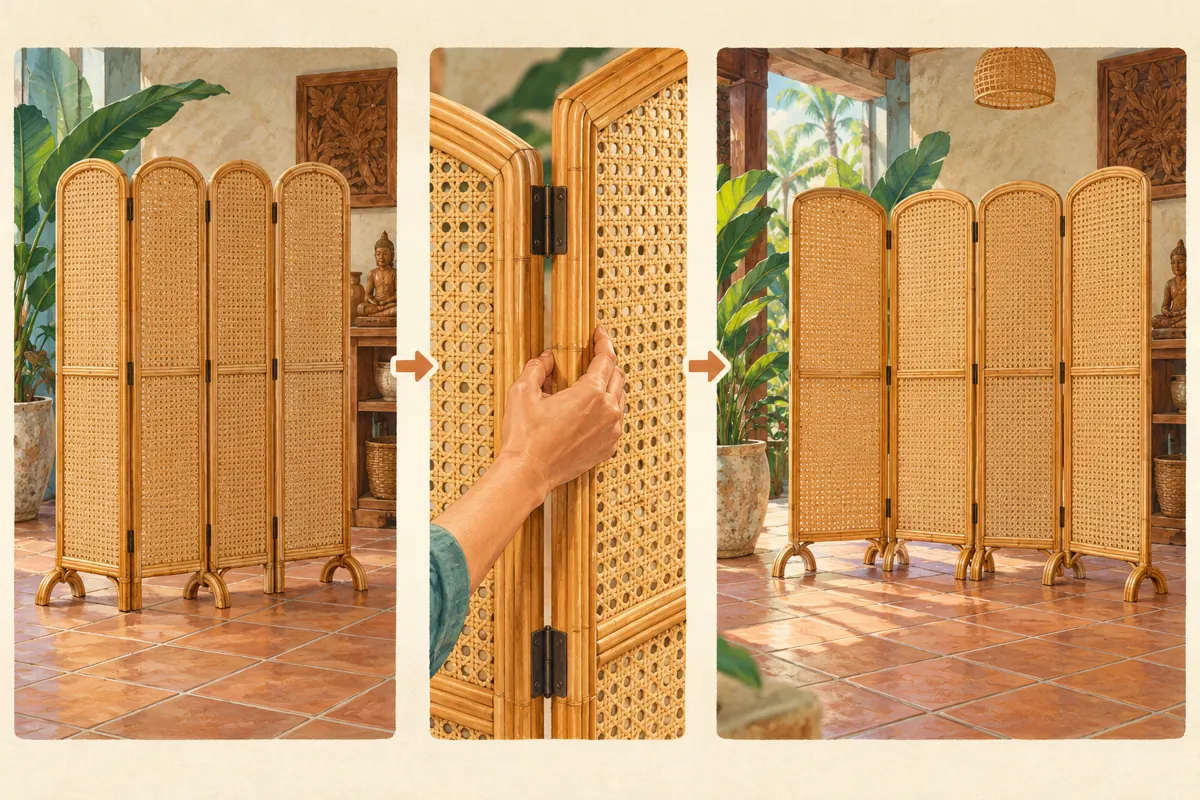
Consider a hypothetical Phnom Penh shop whose customers ask whether a divider can fold beside a reception desk. The useful demonstration shows the movement and the surrounding clearance. A close-up of attractive weaving does not answer that question. The shop should also distinguish a visual explanation from a fit assessment: seeing the movement does not establish that the same divider will fit a particular customer's room. That still requires the relevant measurements and product details.
2. Understand what the shared excerpt represents
YouTube's official clip guide describes Clips as selections lasting 5–60 seconds that loop from the original video's watch page. They are public, and viewers need access to the original video to watch them. Treat a Clip as a selected passage from a larger explanation, rather than a new, independent product demonstration.
That distinction shapes the editorial decision. A long recording may introduce the model, demonstrate movement and discuss limitations in different places. Your selected passage needs enough context to remain truthful on its own. Write a private sentence describing its scope, such as: this excerpt shows the folding movement of the displayed sample on the shop floor. If the intended promotion promises more than that sentence supports, change the promotion or choose different footage.
3. Create the Clip only after identifying the boundaries
On a computer, sign in to YouTube, open the video and select More, then Clip. Add a title, adjust the selection with the slider, and choose Share clip. Copy the resulting link for review. YouTube allows a clip title of up to 140 characters. If the option is unavailable, consult the official guide instead of assuming every recording is eligible.
Decide the beginning and ending before touching those controls. Start where the object and relevant setup are identifiable. End after the action and its essential explanation finish. In the hypothetical shop, starting with a hand already moving the panel might hide how the screen was positioned. Ending immediately after the movement might remove the speaker's qualification about the demonstrated arrangement. Select the smallest complete explanation, rather than the most visually dramatic instant.
4. Keep the setup, action and limitation together
Review three elements in sequence. The setup establishes which product is shown and how it is positioned. The action demonstrates the specific feature. The limitation explains what the viewer should not generalize. For a folding screen, the floor surface, support arrangement and panel position may matter to the explanation. Follow the actual product instructions; do not invent a safe opening angle from a video.
Suppose, hypothetically, the presenter explains that the displayed screen uses separate support feet, then demonstrates folding it. An excerpt beginning after the explanation could suggest that the same arrangement works without those accessories. Extend the selection if the complete explanation fits. Otherwise, share the fuller demonstration or record a dedicated answer. A caption can clarify context, but it should not be used to excuse footage that creates the opposite impression when watched alone.
5. Match the title and sharing message to the evidence
Use a title that identifies the question and sample without promising universal performance. An illustrative title is “How this three-panel sample folds beside a desk.” Avoid claims such as “Fits every small room” or “Cannot tip over.” A brief demonstration cannot establish those conclusions, and an exciting phrase can create a much larger promise than the shop intended.
Write the accompanying message in the language the intended customer understands. For a Khmer-speaking buyer, have a competent Khmer speaker check the wording rather than relying on an unexplained English product term. Include a recognizable model reference, explain what the excerpt shows, and ask for the next useful detail. For example, request the available floor space and whether the buyer needs the screen for a fixed position or frequent movement. Keep delivery arrangements and current availability separate from the permanent demonstration.
6. Test the link as a customer would use it
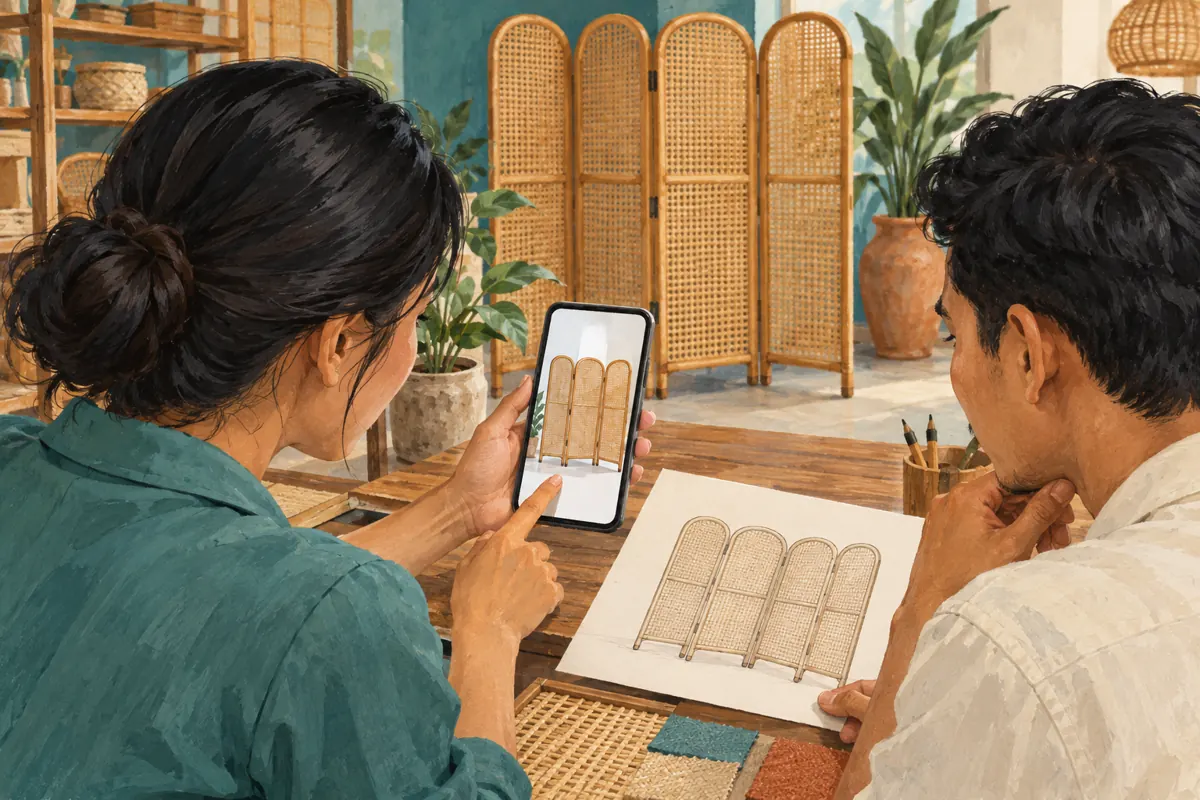
Send the draft message to a colleague and have them open its link on a phone. Ask them to describe the demonstrated feature before you explain it. If they identify the wrong model or cannot see the feet, the problem is probably in the selected footage or its framing. Repeating the caption more forcefully will not make an obscured detail visible.
Check the first moment, the final sentence and the sound. Then review it muted to notice how much meaning depends on speech. This is a comprehension check, not a claim that every viewer watches silently. Where the explanation is unclear, revise the source material or choose another passage. Also verify that the pasted link is the reviewed one. In a busy shop, several similar drafts can easily lead to a polished message pointing at an abandoned selection.
7. Share it where the question already exists
Begin with relevant conversations and the shop's own clearly described posts. A person asking about folding clearance has a reason to watch that demonstration. Someone comparing material colours may need a different answer. Staff should select the excerpt according to the enquiry, rather than sending the same link automatically whenever a customer mentions a room divider.
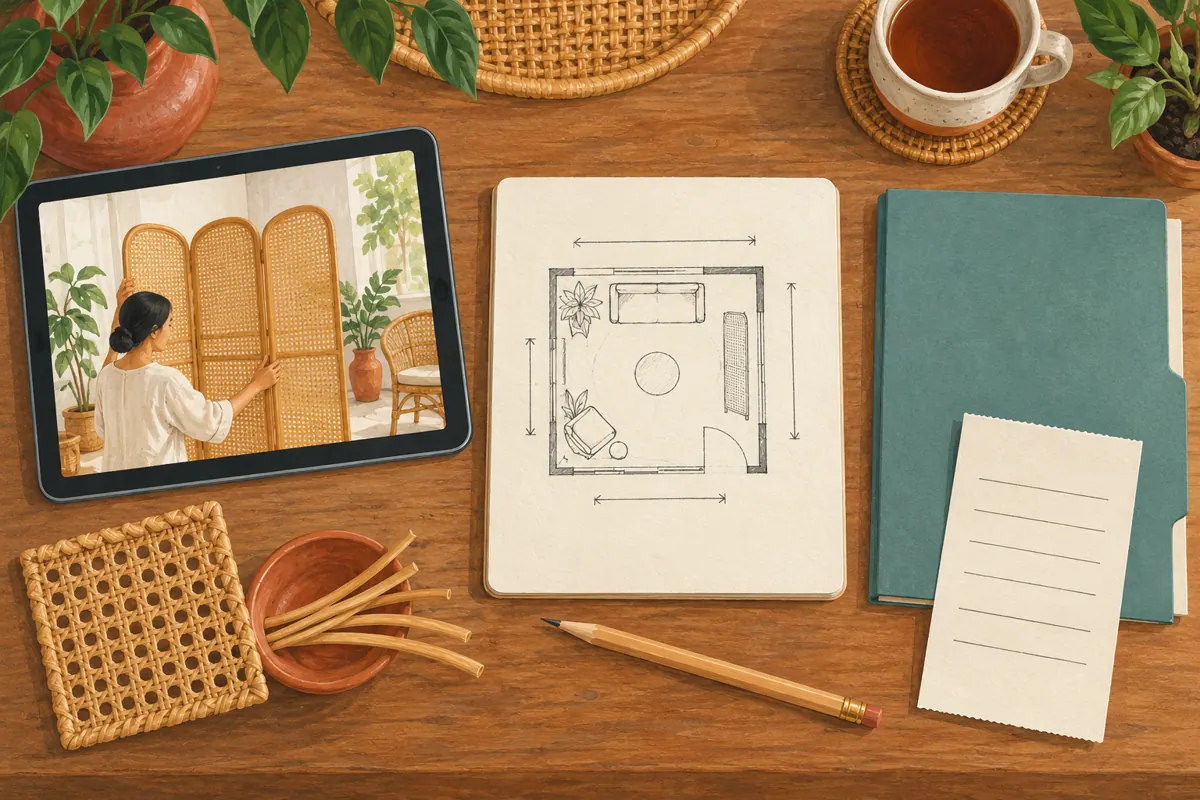
For a hypothetical Siem Reap customer planning a small reception area, the reply might explain that the excerpt shows the sample's movement and ask for a simple floor sketch. Request only the details needed to assess the product. A room photograph may reveal people, documents or private possessions, so offer a sketch or measurements as alternatives. Do not reuse customer images in promotion without permission. The next step should help resolve fit, not pressure the customer into placing an order before the uncertainty is addressed.
8. Apply a policy check before considering panel services
YouTube's fake engagement policy prohibits artificially increasing views, likes, comments and other metrics. It also states that a promoter's actions can affect the channel that hired them. A useful excerpt therefore does not make an artificial engagement service appropriate. If a proposed service depends on inflating metrics, leave it out of this workflow.
The supplied catalogue includes “YouTube Like ~ Max 100k ~ 50k/days ~ Instant ~ 𝐍𝐎 𝗥𝗘𝗙𝗜𝗟𝗟”. Its title labels it as a likes offering, but the supplied description is empty. The title does not verify delivery methods, timing, audience location or policy compliance. It also provides no basis for assuming that a Clip link is an accepted target. Do not turn the advertised wording into a recommendation.
Purchased engagement is not evidence of genuine interest, sales, ad delivery or Cambodian users. For an SMM panel customer, the sensible decision may be to make no order and invest the available effort in a clearer demonstration and better replies.
9. Record buyer understanding separately from administration
Maintain a small content register with the product reference, source video link, selected passage, shared Clip link and review date. Add a note describing the exact question it answers. This allows another staff member to choose the right explanation without watching every recording again. Keep unrelated payment or service records in their own administrative record, rather than mixing them into evidence about customer preferences.
For each genuine enquiry, note what remained unclear after sharing. Useful observations include a request for folded dimensions, uncertainty about included feet, or confusion between the sample and another model. Avoid attributing every later purchase to the excerpt. Ask customers what helped them if that information matters, and record their answer without embellishment. A confirmed purchase, an unresolved question and a service delivery status are different events. Reporting them separately makes the next content decision easier.
10. Correct recurring mistakes and retire unsuitable excerpts
Common mistakes include selecting the attractive movement while removing the setup, using a title broader than the demonstration, and reusing footage after the supplied accessories change. Another is assuming that an enquiry proves the video worked perfectly. A message asking which feet are included may show that the excerpt created a new uncertainty. Read the question before celebrating the interaction.
Assign someone to review the excerpt when stock specifications, accessories or the sales explanation change. Compare the actual item with the recording and stop sharing passages that no longer represent the offer. Tell colleagues which reference should replace the old one in their replies. Keep a short reason for the change, such as a different support arrangement. This makes maintenance practical: the team knows what changed, which question is affected and when a fresh demonstration is needed.
Frequently asked questions
What if the complete answer is too long for a Clip?
Share the fuller explanation or record a dedicated demonstration with a clearer structure. Do not remove an essential condition just to fit the format. First eliminate repetition in the script, then check whether the remaining answer still establishes the product, action and limitation. Some questions need more context than a short excerpt can responsibly provide.
Should the title be in Khmer or English?
Use the language of the intended audience and keep genuine model names consistent. A shop serving different language groups can prepare separate sharing messages, but each should preserve the same meaning. Have someone familiar with the product check terms for hinges, feet and folded dimensions, since a literal translation may leave the buyer measuring the wrong feature.
Can we use the illustrations in this article as product evidence?
No. These are explanatory illustrations of the workflow, not photographs or specifications of stock. Use your own verified product footage when showing customers what they will receive. A drawn support foot, hinge or panel arrangement must not become a claim about the construction or stability of an item you sell.
How do we judge whether the excerpt is useful without promising sales?
Look for improved understanding in actual conversations. Can buyers identify the model, describe the demonstrated movement and provide the measurements needed for the next step? Keep examples of recurring confusion and revise accordingly. These observations help improve communication, but they do not establish a guaranteed sales effect or prove that every enquiry came from the excerpt.
Does a panel catalogue entry establish suitability for this workflow?
No. A service title cannot establish its methods, accepted destination or policy compliance. Empty description data leaves those matters unresolved. Do not infer Cambodian audience targeting or genuine buying interest from a listing. If the intended method artificially inflates engagement, it fails the policy check regardless of how well the product video is prepared.
Explore the current service catalogue, create an account, or ask a specific question through support tickets.
Prepared with AI assistance. Illustrations explain the workflow and do not represent customer results.